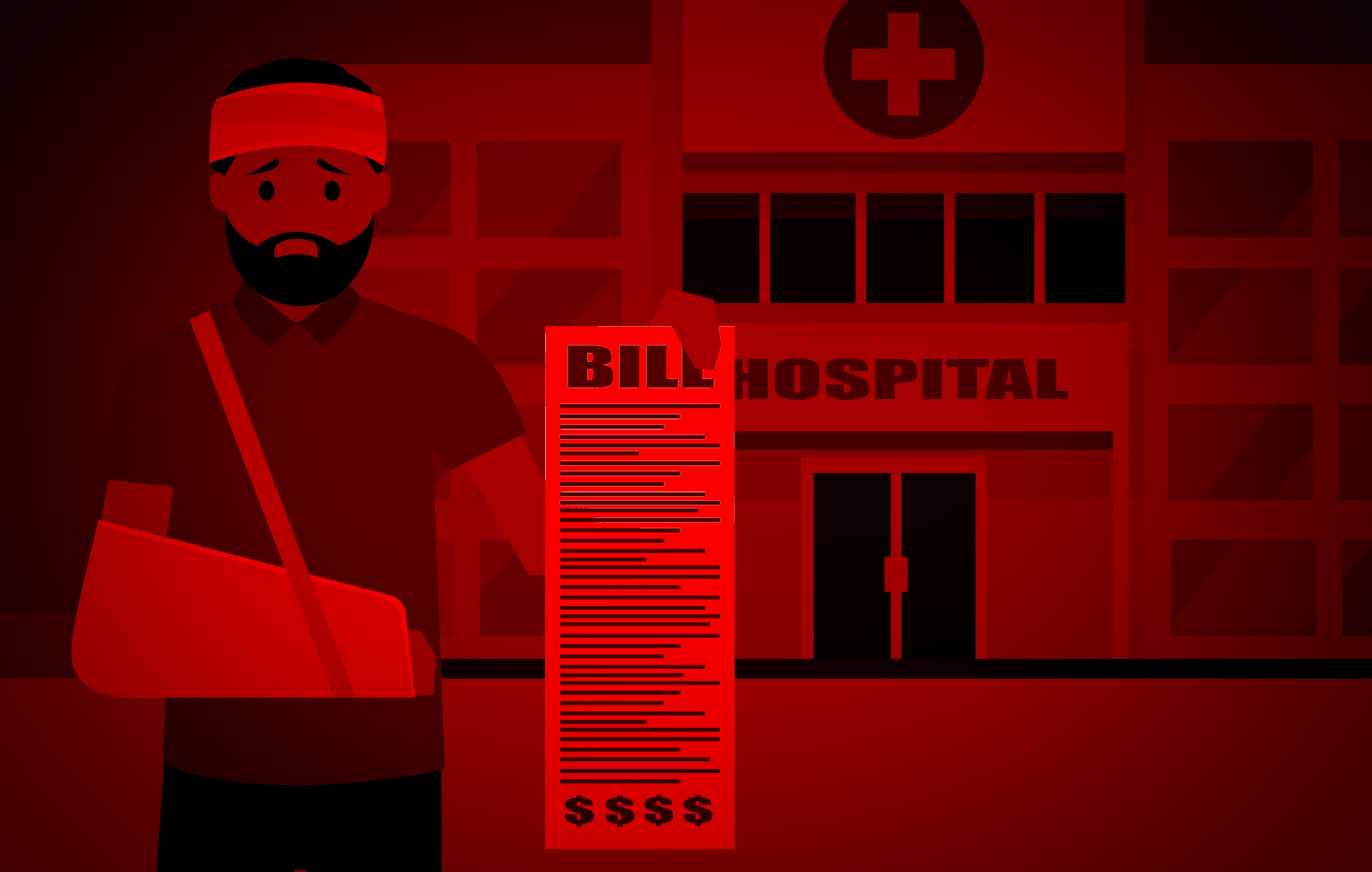
Surprise billing happens when you receive a medical bill that you did not expect, often because part of your care was provided by an out-of-network provider. This can happen even if you go to an in-network hospital or facility.
Key Takeaways
- Unexpected medical bill
- Often involves out-of-network providers
- Can happen at in-network hospitals
- Can lead to higher out-of-pocket costs
How does surprise billing happen?
Surprise billing usually happens when you receive care from a provider who is not in your insurance network, even if you did not choose that provider.
For example, you may go to an in-network hospital but be treated by an out-of-network anesthesiologist or specialist, resulting in a higher bill than expected. This is a common example of surprise billing and how it happens.
How does surprise billing affect you?
Surprise bills can lead to higher out-of-pocket costs and make it difficult to anticipate what you will owe for care. These unexpected charges can add to broader healthcare costs and create financial stress for patients and families.
What this means in North Carolina
In North Carolina, surprise billing has been a key issue in efforts to improve transparency and protect patients from unexpected costs. Policymakers continue to evaluate how billing practices impact patients and what protections are needed.